

What Authenticity Actually Means in This Context
The word authentic carries significant baggage in discussions of Mexican food in the United States, where decades of Tex-Mex and mass-market approximations have blurred the line between a culinary tradition and its commercial imitations. Authenticity in this context means something specific: food that reflects the actual culinary traditions of Mexican regional cooking — the ingredients, techniques, preparation methods, and flavor profiles that define specific regional cuisines — rather than generic versions optimized for American mainstream preferences.
Mexican regional cuisine is as varied as the country itself. Oaxacan cooking is defined by its complex moles, memelitas, and tlayudas. Yucatecan cuisine features achiote, citrus, and slow-cooked cochinita pibil. Mexico City’s street food culture has its own character. Coastal regions have seafood preparations with nothing in common with central highland cooking. A restaurant that presents a generic “Mexican” menu without regional specificity is serving something different from a restaurant that draws explicitly on a specific culinary tradition.
The dividing lines in Salt Lake City’s Mexican restaurant landscape are visible if you know what to look for: corn tortillas pressed and griddled to order versus flour tortillas pulled from a bag, moles that took hours to make versus sauces that came from a jar, proteins that were slow-cooked versus batch-prepared. These differences are immediately apparent in the eating.
Where to Look
Authentic Mexican food in Salt Lake City is concentrated in restaurants that have been building their reputation through consistent quality over years or decades rather than through recent marketing momentum. The community that grew alongside Utah’s Mexican restaurants — the families whose traditions these restaurants reflect — has been the most reliable indicator of which establishments maintain standards worth returning to.
The restaurants that Salt Lake City’s Latino community frequents are not always the same restaurants that appear first in search results or rank highest in aggregated review platforms. Word of mouth within communities with direct connections to the culinary traditions being represented produces more reliable recommendations for genuinely authentic food than algorithmically ranked review aggregators.
Visit Salt Lake dining guides provide independently compiled restaurant resources for Salt Lake City that go beyond the most visible tourist-oriented options to include the neighborhood restaurants that locals frequent — a useful supplement to search results for identifying the full range of what the city’s Mexican food scene includes.
The Mole Test
Mole — the complex sauce category that represents some of the most technically demanding cooking in Mexican cuisine — is a reliable indicator of culinary commitment in a Mexican restaurant. A proper mole involves dozens of ingredients, multiple toasting and grinding operations, hours of cooking, and adjustments that require deep familiarity with the dish. Restaurants that serve mole authentically are demonstrating culinary investment that extends throughout the menu.
A quick mole that was made from paste or that tastes of generic chili pepper rather than the complex, layered flavor of a properly prepared mole is visible immediately to anyone who has had the real thing. The difference is not subtle — it is as obvious as the difference between a properly made stock and a bouillon cube dissolved in water.
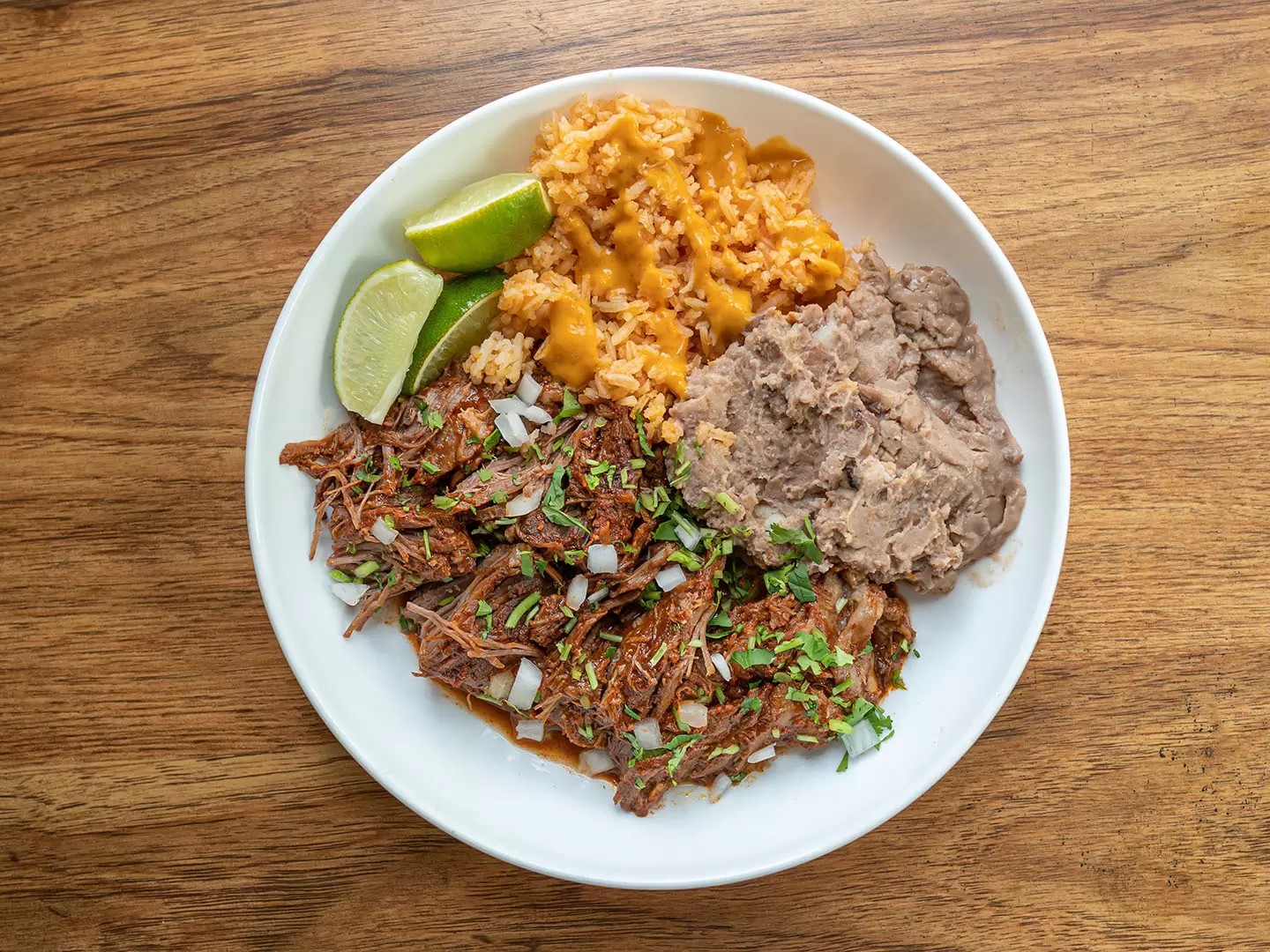
Beyond mole, the markers of culinary care in a Mexican restaurant include fresh-made tortillas, proteins that have been cooked correctly for their specific preparation (carnitas that have been properly fried in their own fat, barbacoa that was braised to the point of falling apart, carne asada that was actually grilled), and salsas that were made that day rather than assembled from commercial ingredients.