

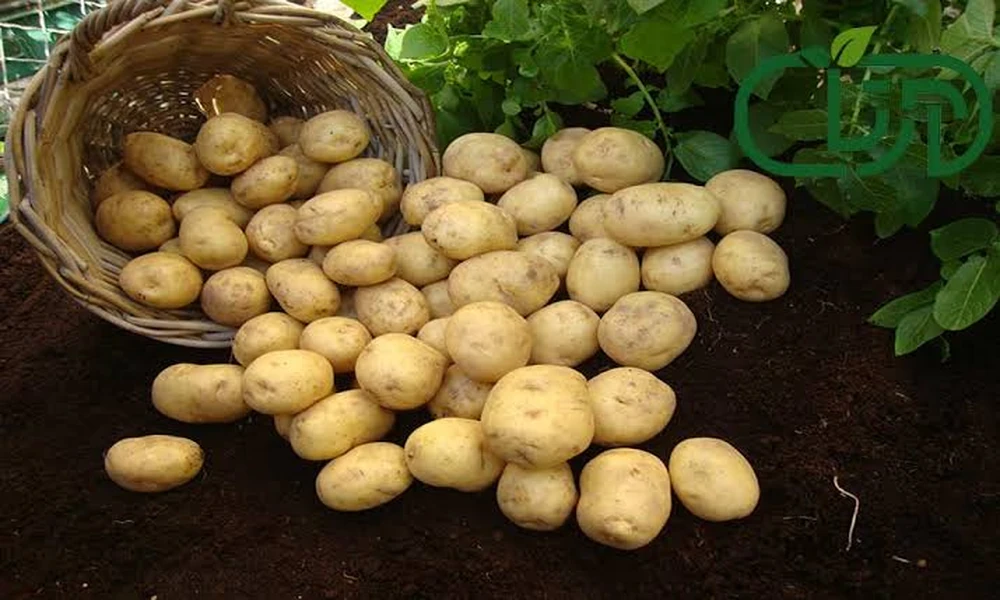
Despite being one of the most popular meals in the world for a long time, potatoes are often misinterpreted. Many people connect potatoes with bad eating habits because of fried appetizers and excessively processed side dishes. However, potatoes may be a nutrient-dense complement to everyday meals when cooked in healthful ways. Bypassing popular misconceptions, this simple vegetable provides much more than simply carbs. You may make better dietary choices and recognize the health advantages of potatoes by being aware of potato nutrition information.
Potatoes Are Naturally High In Nutrients
The abundance of vital nutrients in potatoes is one of their greatest shocks. When consumed with the skin on, a medium-sized potato offers nutritional fiber, potassium, manganese, vitamin C, and vitamin B6. These nutrients help the immune system, muscular function, and general well-being.
Potatoes include antioxidants that help protect the body’s cells from damage caused by free radicals. Potatoes are a nutritious choice for a balanced diet because coloured varieties, like purple and red potatoes, offer even more advantageous plant compounds.
They May Fill You Up More Than You Imagine
A lot of individuals steer clear of potatoes because they think they trigger weight gain. In actuality, one of the most gratifying things you can eat is baked or boiled potatoes. Longer periods of fullness may assist with portion management over the day and cut down on needless snacking.
Selecting healthful cooking techniques is crucial. You may enjoy the nutritious content of potatoes without adding too many calories from butter or oils by baking, steaming, or boiling them.
Healthy Energy Levels Are Supported By Potatoes
Although they are sometimes criticized, carbohydrates are nonetheless a vital source of energy. Complex carbohydrates, which power the brain and muscles, are found in potatoes. They are thus a great option for students, athletes, and anybody leading an active lifestyle.
When coupled with lean meats and vegetables, potatoes release energy more slowly than sugary snacks, which generate sharp energy spikes and crashes. People may better comprehend why potatoes can easily fit into a healthy eating pattern by learning precise potato nutrition information.
The Potassium Content Is Unexpectedly High
Although potassium is most often associated with bananas, potatoes also have remarkable concentrations of this vital mineral. Potassium promotes healthy neuron activity, blood pressure regulation, and muscular contraction.
Since many individuals fail to eat enough potassium each day, incorporating potatoes in meals may help fill this nutritional gap. There are even more nutritional advantages to eating the skin in addition to the meat.
How You Eat Them Affects The Fiber
Fiber helps keep blood sugar levels stable and is crucial for digestive health. Keeping the skin on potatoes greatly boosts fiber intake, even though they are not the vegetable with the greatest fiber content.
Washing potatoes well and cooking them with their skin preserves important nutrients and enhances the meal’s overall nutritional profile, rather than always peeling them.
Additional Advantages Of Resistant Starch
The development of resistant starch in cooled cooked potatoes is a little-known phenomenon. Compared to conventional carbs, this particular kind of starch acts more like fiber. Resistant starch may enhance digestive health by promoting good gut flora.
For instance, compared to freshly cooked hot potatoes, potato salad made with gently seasoned, cooled potatoes may provide more resistant starch. This simple modification illustrates how cooking techniques affect nutritional value.
The Biggest Difference Is Preparation
In and of themselves, potatoes are not harmful. A potato-based meal’s nutritional value and calorie density are often determined by the toppings and cooking techniques.
While rich cream sauces, extra cheese, and big servings of butter may significantly boost calories, deep-frying adds substantial amounts of fat. Conversely, baked potatoes with Greek yogurt, veggies, herbs, or lean protein on top make for well-balanced and filling meals.
Without completely cutting potatoes out of your diet, knowing trustworthy potato nutrition information promotes better cooking choices.
Potatoes Can Be Included In Many Nutritious Dietary Plans
Potatoes are a simple addition to wholesome meals, regardless of a person’s diet, vegetarian, balanced, or sports-oriented. They make delicious recipes when combined with grilled chicken, fish, beans, eggs, leafy greens, and other vegetables.
The most crucial elements are still portion quantity and preparation. Fresh potatoes cooked with little added oil provide energy, fiber, vitamins, and minerals that promote general health.
Conclusion
Potatoes deserve a better reputation than they frequently get. They are naturally rich with vitamins, minerals, antioxidants, and complex carbs that contribute to excellent health. They are much more useful than many realize because of their high potassium content, pleasing character, and capacity to provide continuous energy.
Focus on balanced meals and healthy cooking techniques rather than avoiding potatoes due to antiquated beliefs. Knowing the nutritional facts about potatoes enables you to confidently enjoy this adaptable vegetable while making decisions that improve your diet as a whole.